Is Costa Rica Safe to Drive Around? What to Expect as a First-Time Visitor
If you’re planning a trip to Costa Rica and wondering if Costa Rica safe to drive around, you’re not alone. I had the same question before my first trip, especially since I was traveling solo and wanted to have some flexibility without having to plan every detail.
I’ve now driven through Costa Rica on two trips, including routes from San Jose to La Fortuna, and through the cloud forests of Monteverde. This guide shares what it’s like driving in Costa Rica, what to expect, what surprised me most, how insurance works, and whether renting a car makes sense for your trip.
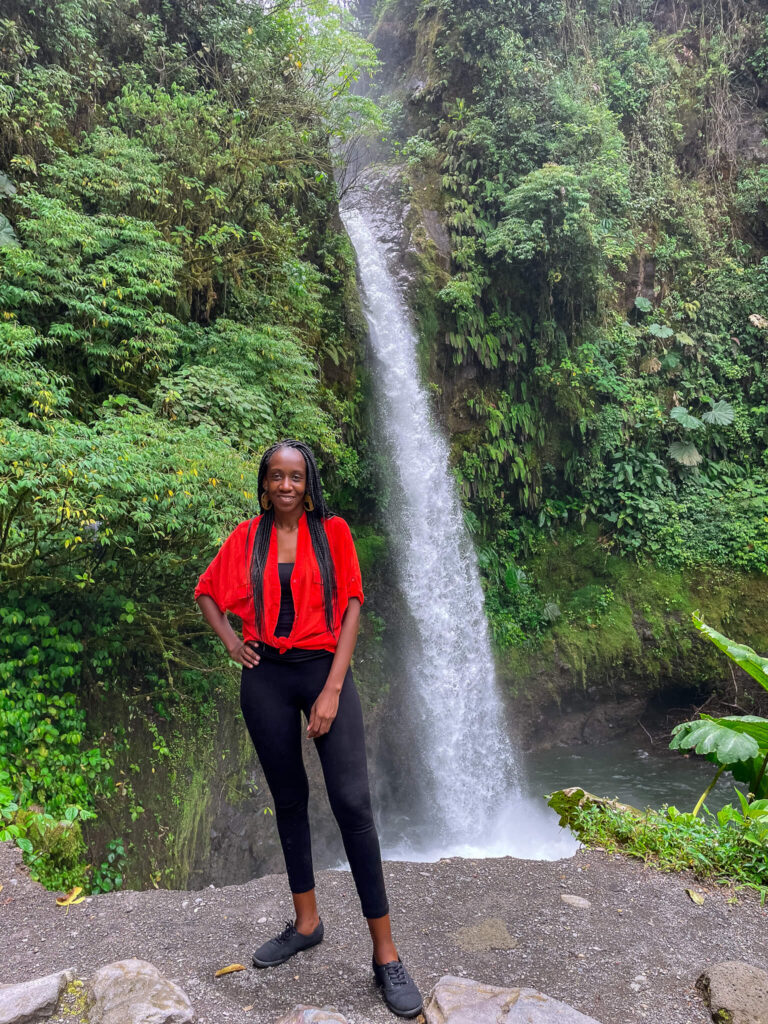
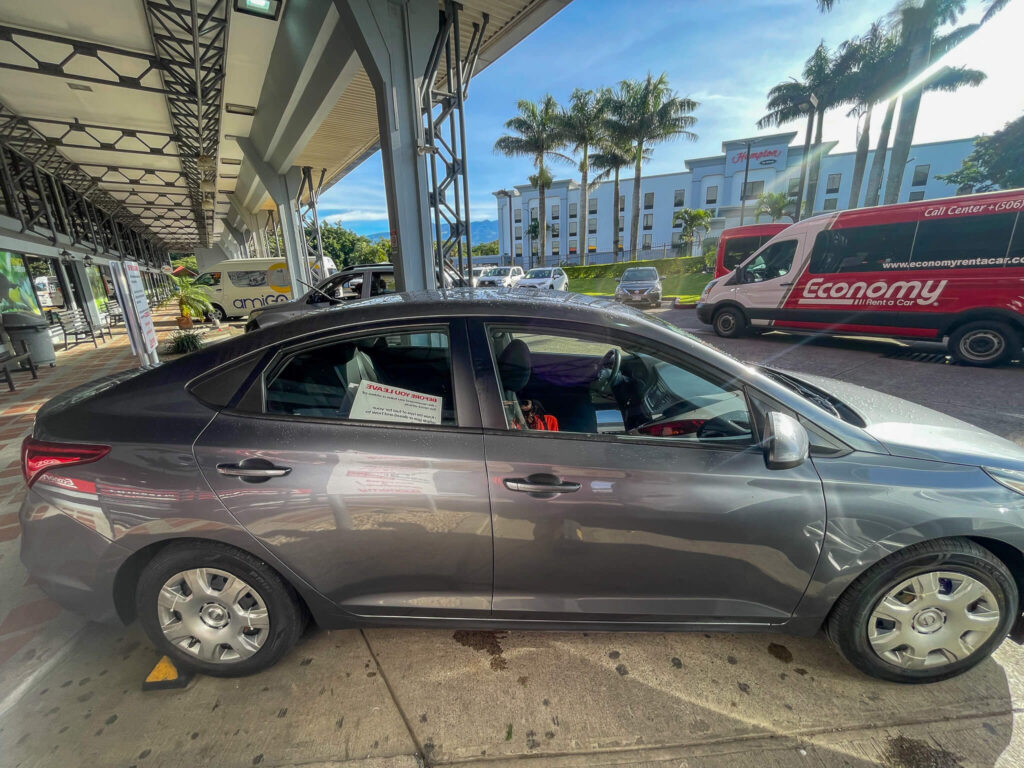
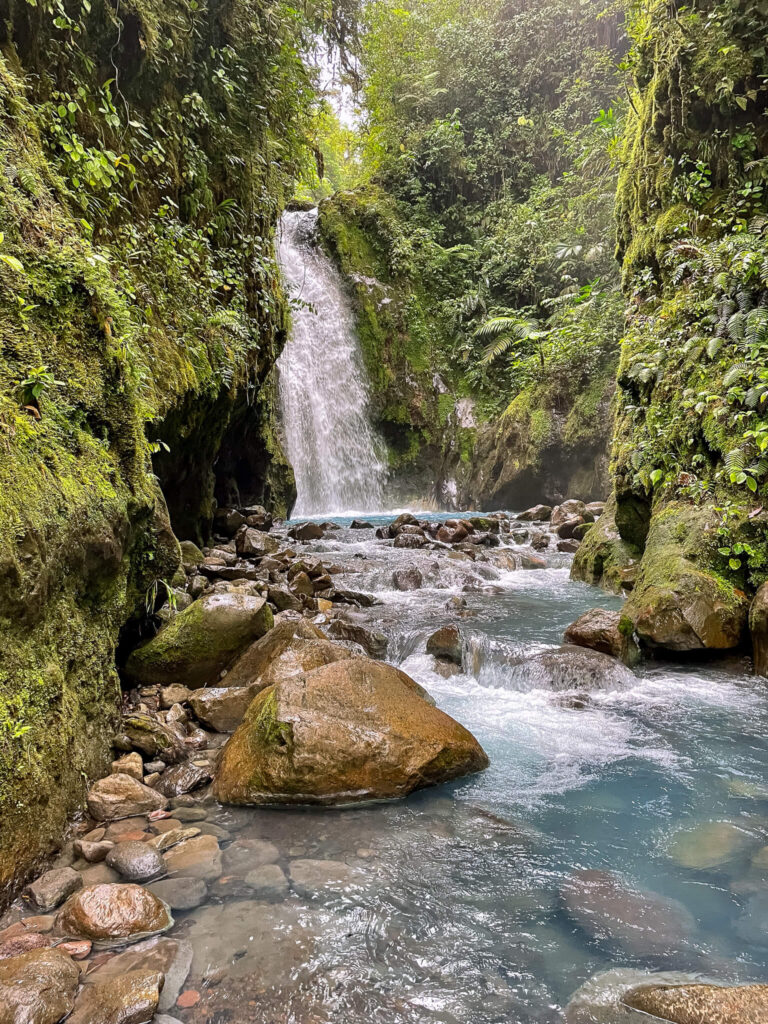
Is Driving in Costa Rica Safe?
The short answer is yes, driving in Costa Rica is generally safe. Costa Rica is one of the most visited countries in Central America, and tourism is a major part of the economy.
The roads that link up places like San José, La Fortuna, Monteverde, and the beach towns are used by both locals and tourists all the time.
That being said, driving here can be different from driving in the U.S. or Canada, not unsafe, just different. From my experience, I felt safe driving around the country and found out the biggest challenges weren’t exactly safety but more logistical.
Most challenges on the road come from weather, e.g heavy rain, narrow roads or winding roads, and limited signage in some areas. or drivers underestimating travel times. It does take a little adjustment, but it’s not as intimidating as it might sound. Once you know what to expect, it becomes very manageable.
Having my own car actually gave me more freedom and ended up being less stressful than sticking to fixed shuttle schedules or transfers. If you’re on the fence, know this: you don’t need to be an expert driver, you just need to plan thoughtfully and give yourself grace.
Best Way to Travel in Costa Rica: Is Renting a Car Worth It?
For travelers visiting multiple destinations, renting a car is often the best way to travel in Costa Rica. It gives you flexibility with timing, allows you to stop at viewpoints or hidden waterfalls, and makes it easier to adjust plans around the weather. Based on my personal experience, having a car made my trips feel easier. I could move at my own pace, stop whenever something caught my eye, and reach places that aren’t always convenient by shuttle.
That said, renting a car isn’t the right choice for everyone, and that’s okay. Driving in Costa Rica makes the most sense if you plan to visit more than one region, want flexibility, feel comfortable on unfamiliar roads, and have limited PTO and don’t want to lose time waiting on fixed shuttle schedules. If you’re booking a car, I recommend comparing options ahead of time and paying close attention to insurance coverage and recent reviews. I usually compare prices through DiscoverCars or RentalCars to get a clear picture of coverage and avoid surprises at pickup.
If you prefer not to drive, Costa Rica also has reliable shared shuttles and private transfers between major tourist areas. They’re safe and stress-free, especially for first-time visitors just less flexible than having your own vehicle. You can check routes and prices through trusted shuttle services here.
In short, renting a car in Costa Rica is worth it if flexibility matters to you. If comfort and simplicity matter more, shuttles are your better alternative.
What to Expect Driving in Costa Rica
Costa Rica has a strong tourism infrastructure, and driving between popular destinations is very common. Roads, however, can shift quickly from smooth highways to narrow, winding mountain passes.
Here’s what to expect:
- Curvy mountain roads and hills are pretty common, and now and then, you’ll hit a pothole or an uneven road stretch
- Once you’re outside the cities, many highways narrow down to two lanes.
- Signage isn’t always perfect either, so it helps to stay alert. Outside major cities, signage could be minimal, and it’s common to rely on landmarks rather than street names. This can feel intimidating at first, but it becomes second nature after a day or two.
- You might even encounter one-lane bridges, unexpected speed bumps, and stretches where your Google Maps might feel like a suggestion (I recommend downloading the Waze App)
- Traffic around San José can be heavy during rush hours, while outside the city, it might feel calm but slower.
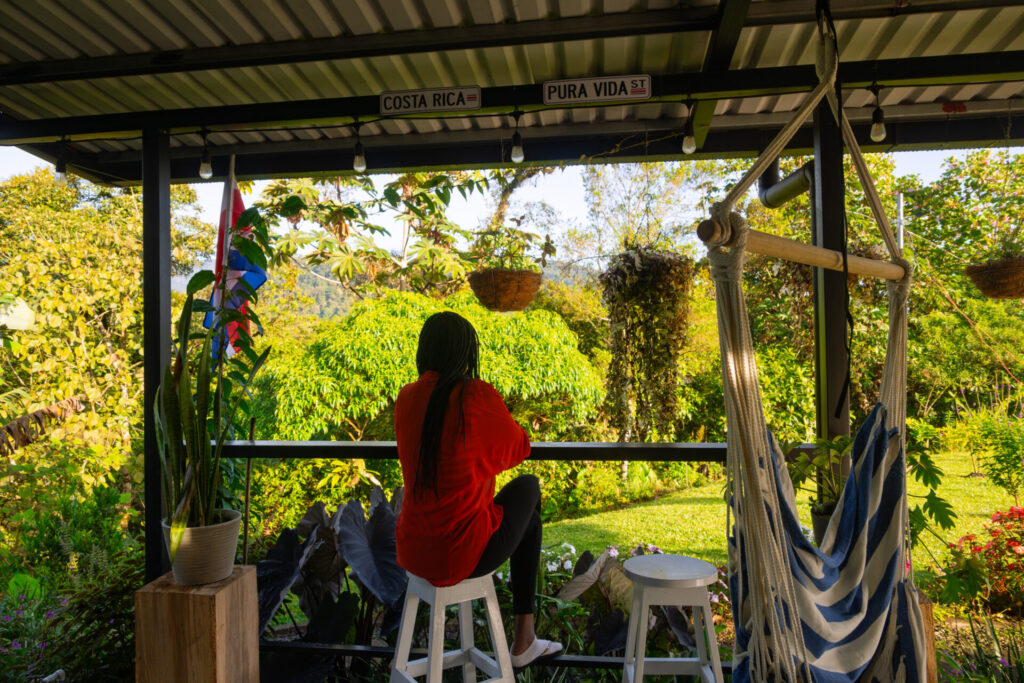
Once I adjusted my expectations and gave myself extra time, driving in Costa Rica felt far more manageable and even freeing. It really is the Pura Vida way of life, where slowing down isn’t a setback; it’s part of the experience.

Costa Rica Car Rental Insurance (What Most People Don’t Expect)
Insurance is the part of renting a car in Costa Rica that surprises most people, and where frustration usually comes from. Costa Rica requires mandatory liability insurance by law. Even if your credit card offers rental car insurance, the mandatory liability portion must still be paid through the rental company.
Reading the fine print and booking with reputable companies helps avoid surprises. This is one of the reasons I always recommend comparing rental companies ahead of time instead of booking last-minute at the airport.
My biggest tip here: budget for insurance upfront so there are no surprises at pickup.
Can Americans and International Travelers Drive in Costa Rica
If this is your first time in Costa Rica, here’s the good news: Yes, Americans and most international travelers can legally drive in Costa Rica with their home-country driver’s license. You do not need an international driving permit. You will typically need a valid driver’s license from your home country, your passport, and a credit card for the deposit.
This applies not only to U.S. travelers, but also to visitors from Canada, the UK, Australia, and many other countries. Automatic cars are available, but they do book out faster, something to keep in mind if you’re not comfortable driving a manual.
Tips that Made Driving In Costa Rica Easier
A few small habits made a huge difference in how comfortable and confident I felt driving in Costa Rica:
Daylight driving whenever possible.: Roads are much easier to navigate when you can clearly see curves, signage, and road conditions, especially in mountain areas or rural routes. I planned my drives so I wasn’t rushing to beat sunset, and that alone removed a lot of stress.
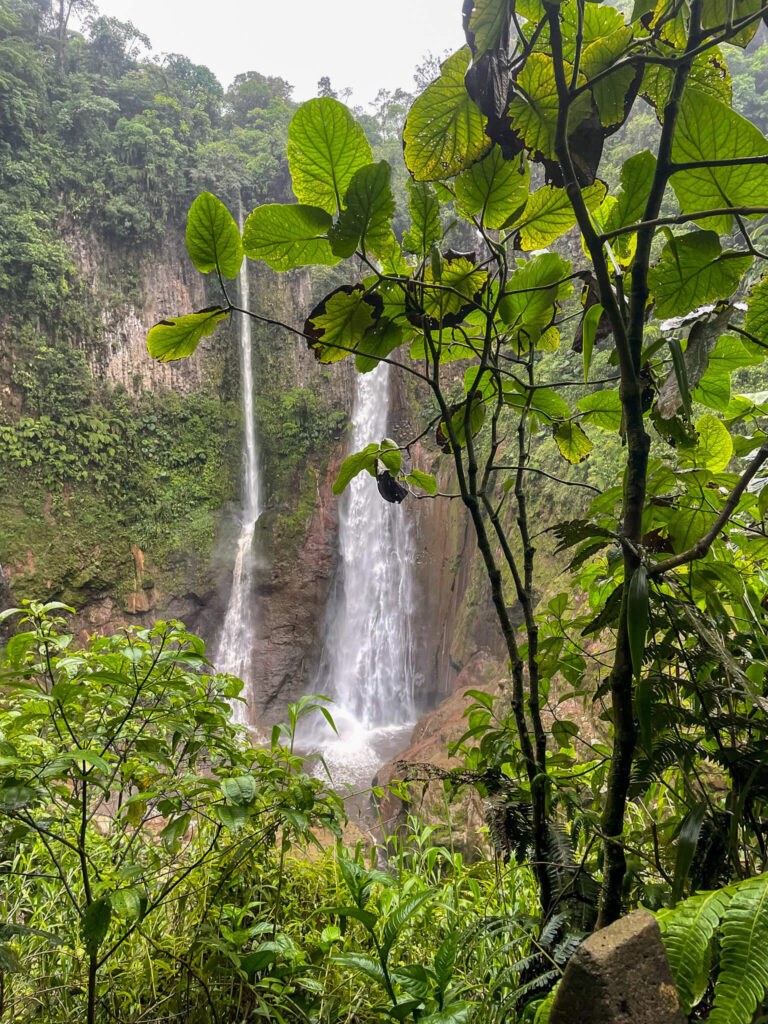
Leave extra buffer time between destinations & stay flexible: Another thing I learned quickly was to build in extra buffer time between destinations. Distances might look short on a map, but winding roads, slower speeds, weather changes, or spontaneous stops (hello, roadside waterfalls) can easily extend drive times. Giving myself that cushion made the whole experience feel more relaxed and very much in line with Costa Rica’s pura vida pace.
Keeping my plans flexible was just as important: Rainstorms can roll in unexpectedly, traffic can slow near towns, and sometimes you’ll simply want to stop longer than planned. Driving gave me the freedom to adjust on the fly without stressing about missing a shuttle or tour pickup.
Staying Connected While Driving: Lastly, having reliable mobile data the entire time while driving in Costa Rica helped more than expected. Navigation apps helped with route changes, road closures, and estimating arrival times. Instead of buying a physical SIM, I used an eSIM, which meant I had data as I landed and didnt need to visit a store.
It added an extra layer of confidence knowing I could look things up quickly if needed, especially when traveling solo.
Final Thoughts: Should You Drive in Costa Rica as a First-Time Visitor
So, should you drive in Costa Rica as a first-time visitor? Overall, yes, driving in Costa Rica is very doable. Especially if you plan, understand insurance requirements, and adjust your expectations, driving in Costa Rica can be an enjoyable experience. For many travelers, especially those with limited PTO, renting a car is the best way to travel in Costa Rica.
As I said before, if you’re on the fence, know this: you don’t need to be an expert driver, you just need to plan thoughtfully and give yourself grace.
Frequently Asked Questions About Driving in Costa Rica
Pura Vida!