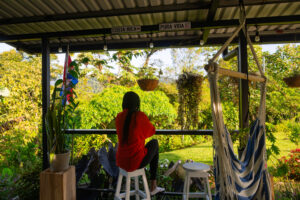
Panama Travel Guide: One of Latin America’s Most Underrated Countries Worth Visiting
Panama is one of the most underrated countries in Latin America, and I say that as someone who has travelled across 11 countries in the region. For a destination that many travelers skip, Panama has a lot to offer, and it definitely surprised me. What was meant to be a quick stop on my way to Costa Rica quickly turned into one of the most exciting parts of my trip!
In just a few days, I had the chance to wander through the charming streets of Casco Viejo, watch ships pass through the Panama Canal, go whale watching in the Pearl Islands, and hike outside the city. Many travelers in Central America miss out on Panama. Still, it has such a beautiful mix of colonial history, modern architecture, lush tropical landscapes, and easy access to islands and mountains.
Panama City surprised me in the best way!
If you’re planning a weekend in Panama City, whether solo, with friends, or as a couple, this Panama travel blog is your go-to guide. It covers the top things to do, the best day trips, my personal tips based on my travel experience, and research I did before and after.

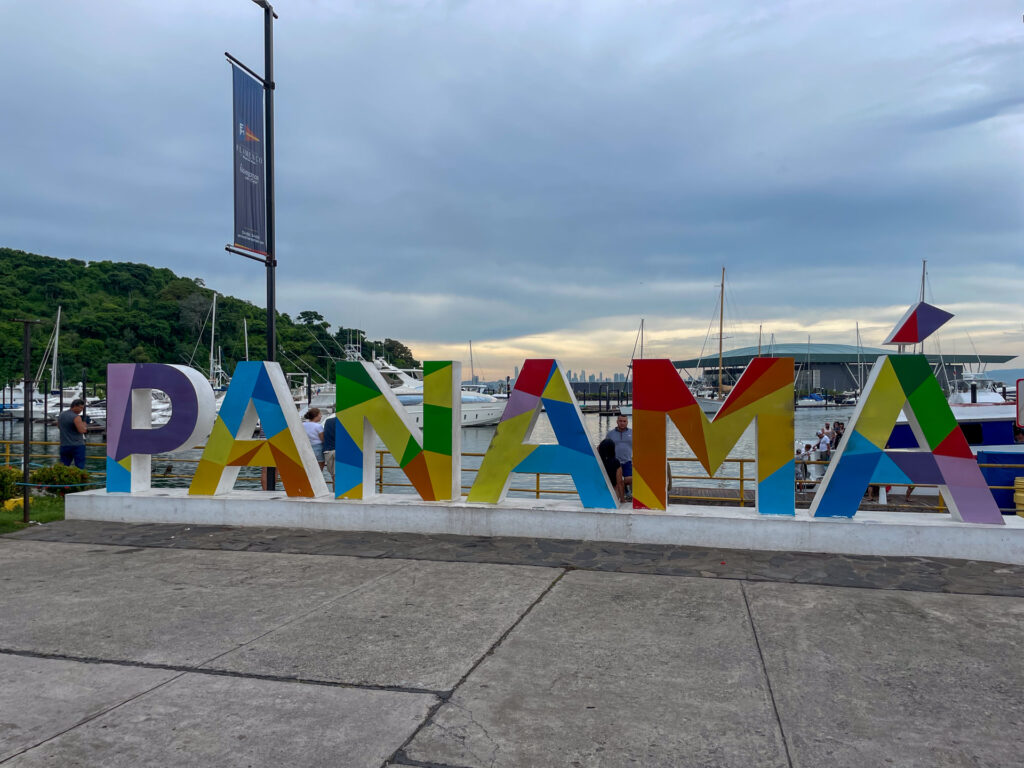
Why Panama? (The Honest Case For Visiting)
Panama is a hidden gem that keeps getting recommended by travelers who’ve been there, but it’s often overlooked by those who haven’t. The people who visit tend to come back raving about it, making you feel like you missed out on something special.
Here’s what truly makes Panama a must-visit:
- It’s compact but incredibly diverse. In just one week, you can experience a vibrant modern skyline, explore the historic town, see the marvel of human engineering at the canal, visit some beautiful islands. That’s a lot to take in in just seven days, and it’s almost unmatched in the region
- It’s super close. Panama City is just a 3-hour flight from Miami, 5 hours from New York, and 5-6 hours from most major US hubs. It’s not a long-haul trip at all.
- The US dollar is accepted in many places. No need to worry about currency conversion or exchange rates. Your wallet works the same way as it does at home.
- It’s genuinely underrated. Unlike Costa Rica, for example, Panama still has that unique charm where you arrive and think, “Why don’t more people know about this place?”
- It’s manageable for first-timers. Uber works in Panama City, the infrastructure is solid, and the tourism industry is developed enough to make logistics easy without being so over-touristed that it loses its authenticity
Panama Quick Facts
Best time to visit Panama
Panama has two seasons: dry (December to April) and rainy (May to November). The best time to visit depends on your preferences.
Dry season (December–April): This is the peak tourist season for a good reason. The weather is sunny, the humidity is low, and you can enjoy outdoor activities like hiking and island day trips. Panama City comes alive with festivals and events during this time. The downside is that accommodation is more expensive, popular sites are crowded, and flights cost more.
Rainy season (May–November): I visited during the rainy season, and I want to challenge the notion that this is the “wrong” time to go. Yes, it rains, but in most of Panama, it falls in heavy bursts, usually for an hour or two in the afternoon, rather than all day. Mornings are often beautiful, and the landscape is lush and green. There are fewer tourists, and prices are noticeably lower. If you’re visiting for whale watching, the rainy season is actually the best time. Humpback whales migrate through Panamanian waters from July to October, and the rainy season is the best time to see them. My Pearl Islands day trip happened during the rainy season, and I wouldn’t trade that experience for anything.
Where to Stay in Panama City
Casco Viejo (Casco Antiguo / Old Town)
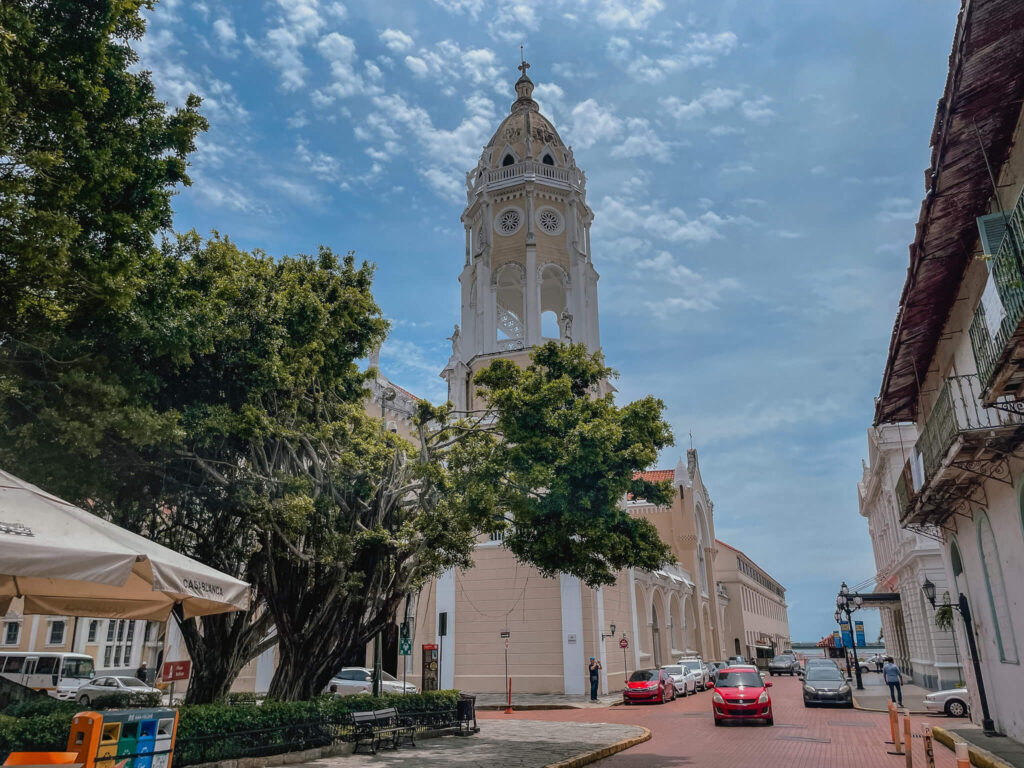
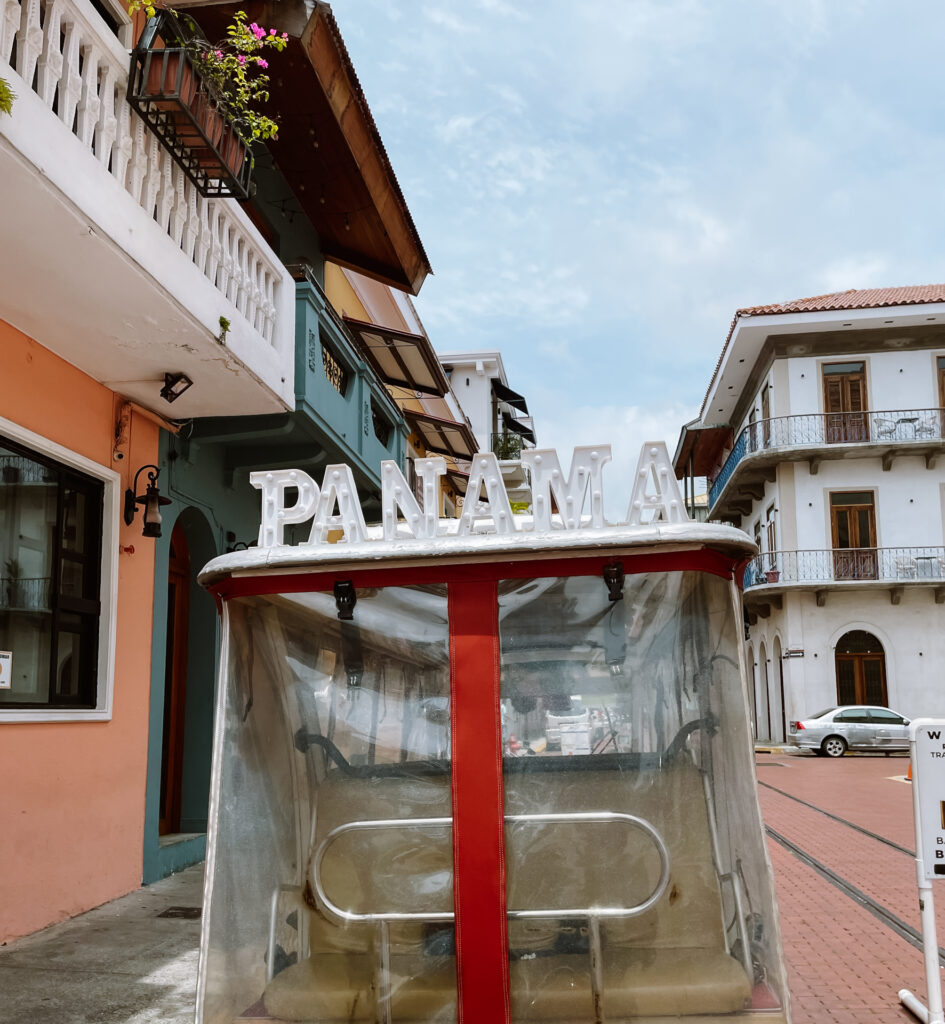
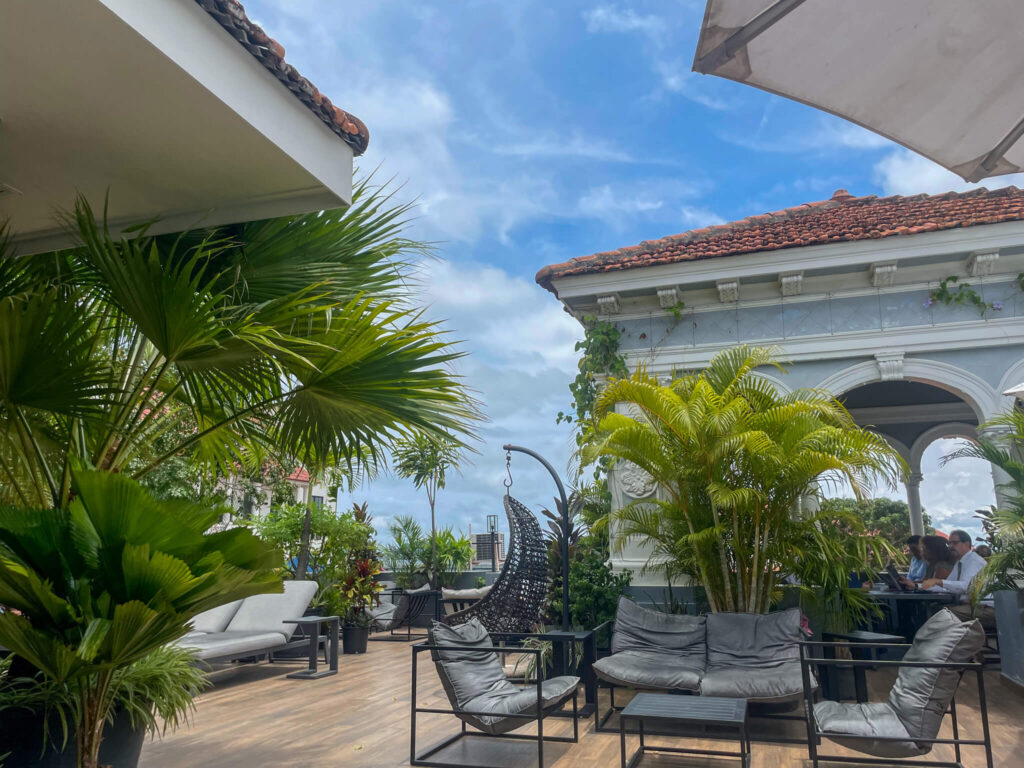
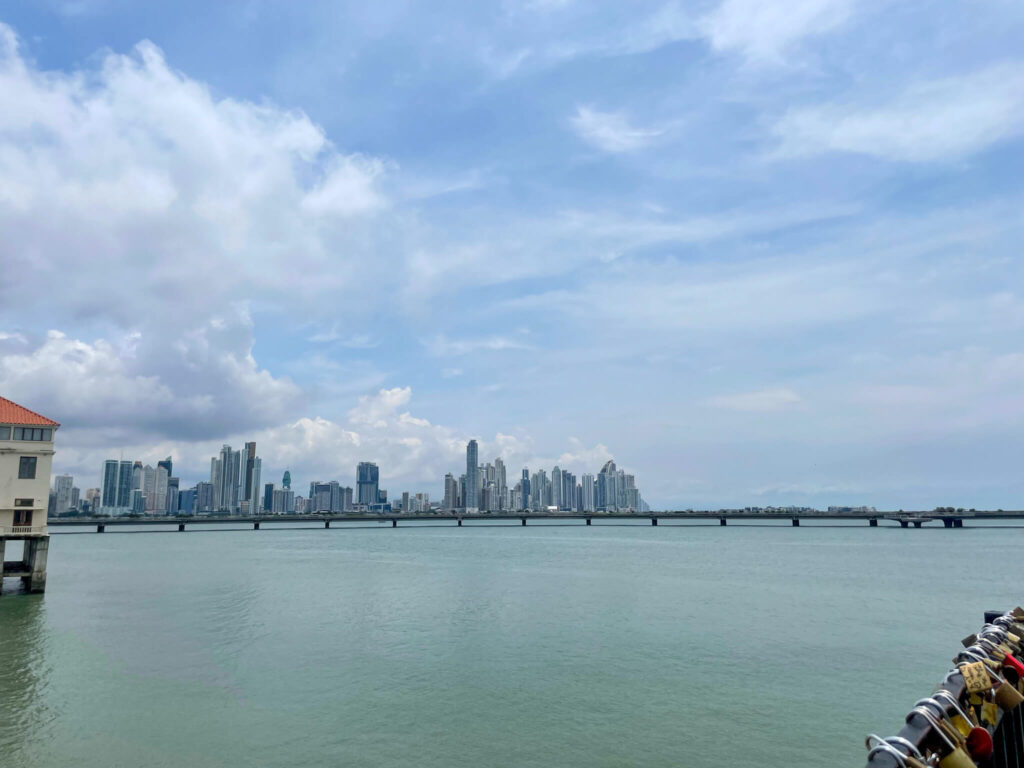
Casco Viejo is a UNESCO World Heritage site and, in my opinion, the most charming neighborhood in Panama City. It’s located on a peninsula at the edge of the Pacific Ocean and feels like a completely different city from the modern skyscrapers just a few kilometers away. The streets are lined with narrow cobblestone streets, and the architecture is a mix of crumbling colonial buildings and beautifully restored boutique hotels and rooftop bars. At night, the neighborhood comes alive in a way that feels truly local rather than touristy.
I loved staying in Casco Viejo. It’s just a short walk from the main historic sites, there are great restaurants nearby, and the atmosphere encourages slow exploration. Mornings in Casco Viejo before the tour groups arrive are truly magical. Some streets have an uneven safety reputation, especially on their outskirts. Stick to the well-lit main squares and streets at night, use Uber to get back to your hotel instead of walking long distances after dark, and you’ll be fine. The neighborhood has improved a lot in recent years, and the main tourist area is very safe.
New City (Miraflores / Marbella / El Cangrejo)
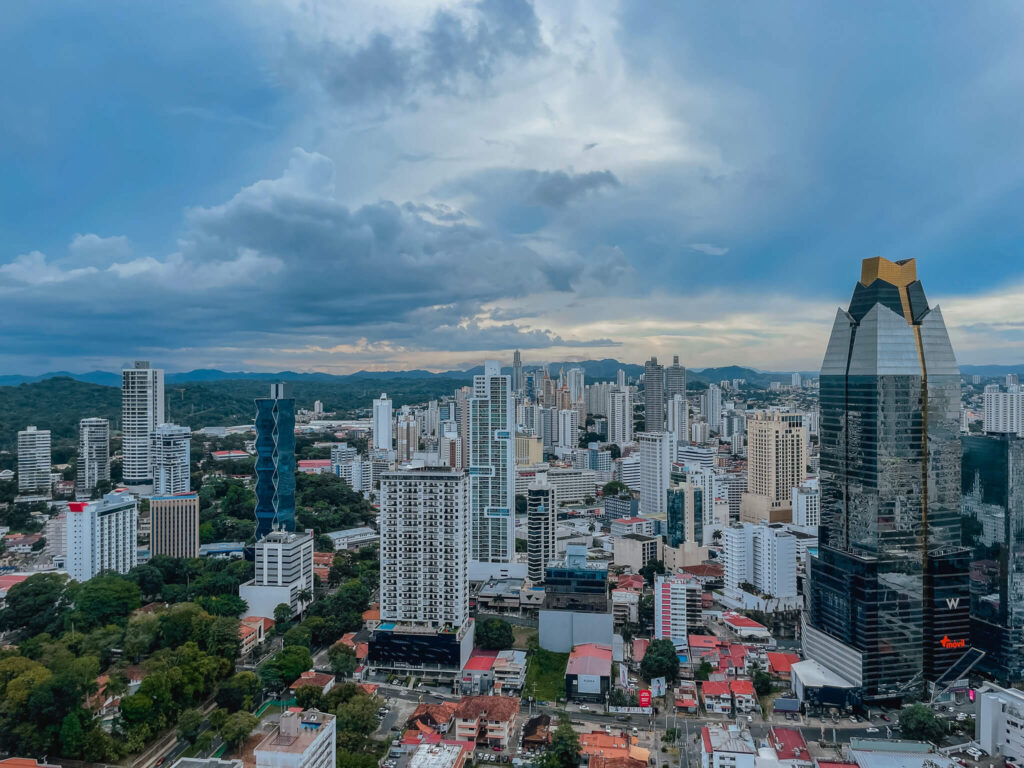
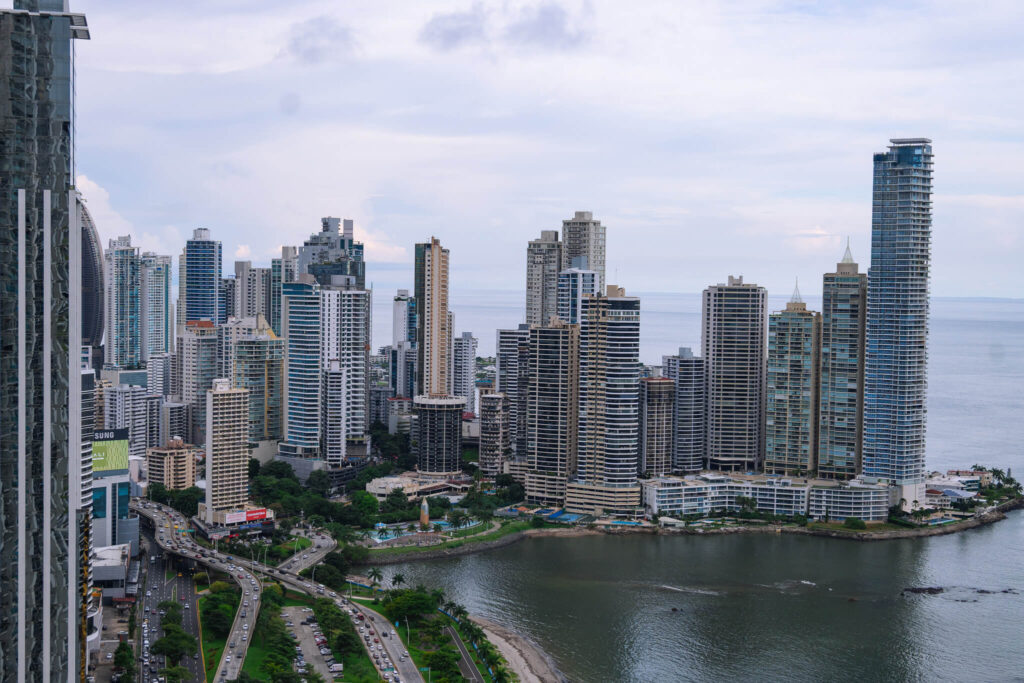
The New City Panama’s modern financial district is a completely different experience. Think gleaming skyscrapers, international restaurants, shopping centers, and the kind of city infrastructure that makes logistics easy. It’s where most business travelers stay and where you’ll find the largest selection of international hotel chains.
I spent some time here and really enjoyed how easy it was to get around. Uber was reliable, there were great restaurants nearby, and the internet was super fast. But it doesn’t have the same charm as Casco Viejo. If you’re visiting Panama for history and culture, I recommend staying in Casco Viejo. If you’re combining a business trip with some leisure time or want modern amenities over atmosphere, the New City works well.
My Recommendation
Start your trip in Casco Viejo for the first few nights to get a feel for the place. Then, move to the New City for the days when you need to deal with logistics (like visiting the Canal or taking day trips). Or, stay in Casco Viejo the whole time and just Uber to the New City when you need to.
Top Things to Do in Panama City
Panama has so much more to offer than you might think! While many people come to see the Panama Canal or just spend a quick visit in Panama City, the country is a treasure trove of tropical islands, rainforest beauty, modern & historic sites, and unique cultural experiences.
Here is everything I personally did and my honest take on each:
Explore Casco Viejo
Casco Viejo is the heart of Panama City, and it’s definitely one of the most charming neighborhoods you’ll find in the country. The streets are lined with colorful colonial buildings, cozy plazas, rooftop restaurants, and stunning ocean views. I loved just wandering around on foot and popping into cafés along the way.
Here are some key sites: Plaza de la Independencia, the Metropolitan Cathedral, the ruins of the Old Panama Cathedral (visible from the waterfront), and the Interoceanic Canal Museum, which will give you a great understanding of the Canal. I suggest spending the morning in Casco Viejo before the tour groups arrive, then grabbing a bite at a local restaurant for lunch, and finally visiting the museum in the afternoon heat.
I also suggest staying here for a day or two because so many attractions are just a short walk away. When I’m traveling solo, I usually check out Booking.Com or Expedia to compare hotels, and I always look at the location and recent reviews before picking a place to stay.
During my trip, I stayed at AmazINN Places Hotel Boutique, a mid-range hotel right in the heart of Casco Viejo. The location made it easy to walk everywhere, and it even had an amazing pool!
Visit the Panama Canal
Seeing the Panama Canal in person is truly awe-inspiring. Watching massive ships slowly move through the locks gives you a real appreciation for the engineering behind it. The Miraflores Visitor Center is the standard visit to watch the ships pass through. You can either visit independently or join a guided Panama Canal tour from Panama City, which usually includes transportation.
Tip when visiting the canal:
Check the Canal’s ship schedule online before your visit (the ACP website publishes it) so you can time your arrival to coincide with a large vessel transit. Watching a container ship go through is significantly more impressive than an empty lock.
Monkey Island
Monkey Island is one of the wildlife experiences in Panama that’s always visited. The tour starts in Gamboa, which is about 45 minutes from Panama City by car. The boats move slowly through the lake, giving you time to take in the stunning waterway that connects two oceans. Then, you’ll reach the monkey islands. The wildlife will come to the water’s edge, hop on a boat, and even interact with visitors in a way that’s unlike any other wildlife encounter in the region. Travelers always say it’s one of the best parts of their Panama trip, not because it’s a managed attraction, but because the animals are truly wild and the interactions are on their terms.
Here’s what you need to know:
- Location: Gamboa, about 45 minutes from Panama City by car.
- How to visit: Boat tours depart from Gamboa. You can book through a reputable operator, or most Panama City hotels can arrange it for you.
- Time needed: Half a day, including travel from Panama City.
- Can you combine with the Canal? Yes, Gamboa is close to the Canal area. Many operators offer combined Monkey Island + Canal tours.
- What to bring: Light clothing, sunscreen, a camera with zoom, and motion sickness tablets if you’re sensitive to boat movement.
Oh, and don’t miss the howler monkeys in the trees! I haven’t had the chance to go on this tour myself yet, but I’ve been doing some research and reading reviews from other travelers. I’ll definitely update this section with my own firsthand experience after my next trip to Panama.
Whale Watching in the Pearl Islands
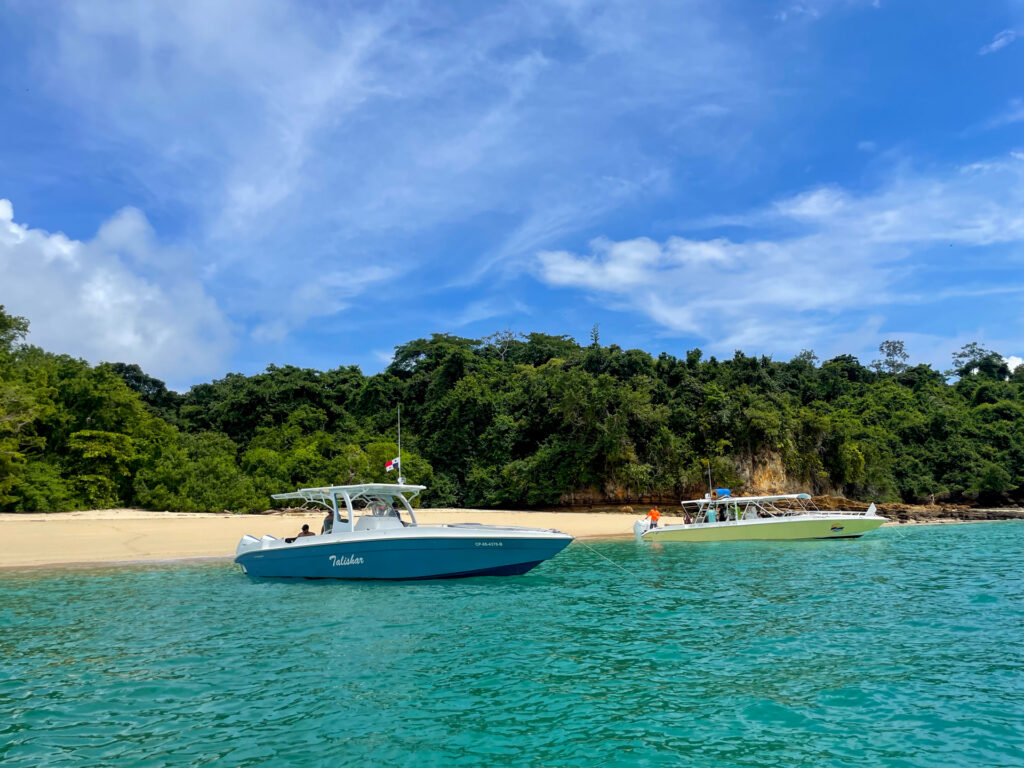
One of the most unforgettable moments I had in Panama was whale watching in the Pearl Islands. During migration season, humpback whales make their way through Panama’s Pacific waters, making it one of the best places in Central America to spot them. If you’re planning to visit between July and October, you might want to think about a Pearl Islands whale watching tour from Panama City. They usually offer boat rides and guides who know all the best spots to see whales. This is the whale watching eco-friendly tour I took run by Joshua Hall.
Hike Picachos de Ola
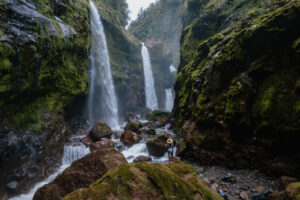
If you’re a nature lover and love hiking, consider exploring the great outdoors beyond the city, like Picachos de Ola. I did a sunrise hike to Picachos de Ola, a beautiful mountainous area just a few hours from Panama City. This is one of the best-kept secrets among the hiking options near Panama City.
The trail offers stunning views of rolling hills, a stark contrast to the cityscape. It’s a wonderful reminder that Panama has so much to offer beyond just city life. Don’t forget to pack hiking shoes (not trainers), a rain jacket, plenty of water, and some snacks. It’s a full-day activity, including the drive, since the drive is about 2.5 hours outside the city. There are operators in Panama City that offer guided day trips to this area. I highly recommend it! It’s one of Panama’s most hidden gems.
Explore Bocas del Toro
Bocas del Toro is another must-visit spot. These Caribbean islands are known for their vibrant wooden houses, snorkeling, surfing, and laid-back island atmosphere. If you have a bit more time, flights from Panama City take about an hour, making it a great option.
Visit the San Blas Islands
The San Blas Islands are often called one of the most beautiful places in the country. Known for their stunning white sand beaches, crystal-clear waters, and relaxed vibe. While I didn’t get to visit them during my trip, I definitely want to add them to my Panama itinerary someday. They’re definitely worth checking out!
Eat and drink your way through Panama City
Panama City’s food scene is a real surprise for visitors who think Central American food is just rice and beans. The city is super diverse, with a big expat and immigrant community from all over Latin America, the US, Europe, and Asia. And that diversity is reflected in the restaurants.
In Casco Viejo, the rooftop bars are amazing (try to go at sunset for the best views), and you can find ceviche everywhere, and almost always it’s delicious (Panama has some of the freshest seafood in the world). There are also a lot of local restaurants that serve up some really tasty Panamanian food. And if you’re looking for cheap, fresh ceviche and a great atmosphere, the Mercado de Mariscos (fish market) near the Cinta Costera is a must-visit.
Other Common Tours: Embera Indigenous Village
I haven’t been on this tour myself yet, but I’ve been doing some research and reading reviews from other travelers.
The Emberá people are one of Panama’s indigenous groups, and they’ve been living in the rainforest along the Chagres River for centuries. Visiting an Emberá village is a really meaningful and culturally rich experience. The best operators work really closely with the Emberá people, who have the final say in everything, including what happens, how much money is made, and so on.
You get to the village by dugout canoe along the Chagres River, which is a real highlight of the experience. The journey through the rainforest, with all the birds, butterflies, and the sound of the river, sets the mood before you even get there. Tours leave from Panama City. The trip includes a drive to the Chagres River and a dugout canoe ride to the village. Time need for this tour is a full day. Make sure to book with a reputable and ethical operator.
Getting Around Panama City
Uber vs Taxi: Official yellow taxis exist in Panama City, and many of them are metered. But Uber makes it easier to get around, especially if you don’t speak Spanish or don’t want to negotiate prices. I’d recommend Uber for most travelers.
The Metro: Panama City has a clean, air-conditioned Metro system that’s affordable. It covers some important routes, but it’s not the best option for most tourist routes within the city. If you’re planning to travel outside the city, the Metro is worth knowing about.
Getting between Casco Viejo and the New City: I’ve done this route multiple times, and it’s always about 15 minutes by Uber and costs $6–8. Trust me, don’t walk this route, especially at night. The areas between the two neighborhoods can be a bit sketchy. Uber is always the safest choice.
Weekend in Panama City: (3-day Itinerary)
If you’re planning a quick trip to Panama City, here’s how you’ll spend 3 days in Panama City
Day 1: Casco Viejo-Kick off your adventure in the vibrant Casco Viejo, where colorful streets and historic plazas await. Stroll along the waterfront and take a break at rooftop bars for stunning views of the city skyline. Enjoy the sunset at one of the rooftop bars.
Day 2: Panama Canal- Spend the morning at the Miraflores Visitor Center, where you can watch ships pass through the Panama Canal. In the afternoon, explore the modern parts of the city or take a scenic drive along the Amador Causeway for breathtaking sunset views. A couple of operators combine Monkey Island + Canal tours.
Day 3: Explore the City + Embera Village: Spend the day exploring the new city or take a day trip to visit the Embera Village; some operators run afternoon departures that would pair well with a relaxed morning.
Day 4: Day Trip-If you have an extra day, consider venturing out of the city. Some popular options include visiting the San Blas Islands/Whale Watching in the Pearl Islands. (July-October is the season in which whales migrate to the Panama waters)
Is Panama Safe? Honest Safety Notes for Solo Travelers
Panama City is generally safe for tourists, especially in the areas where most visitors spend their time: Casco Viejo, the New City (Miraflores/Marbella), and around the Canal. Like any major city in Latin America, common sense is key: be aware of your surroundings, avoid showing off expensive cameras and jewelry in unfamiliar areas, use Uber instead of hailing unofficial taxis, and don’t walk through poorly lit streets at night.
The main historic area of Casco Viejo, the central squares, the main restaurant and bar streets, is packed with tourists and locals and generally very safe during the day and evening. The edges of the neighborhood, where restoration is still ongoing, require more caution, especially at night. I explored Casco Viejo extensively during my visit, including at night, and felt completely comfortable on the main streets.
Panama vs Costa Rica: Which should you visit?
I’ve visited both countries and get asked this question often. Let me answer it honestly.
Costa Rica has a decades-long head start in tourism marketing. It was one of the first Central American countries to build a coherent eco-tourism brand for the North American market. This investment has led to a tourism infrastructure, a global reputation, and a traveler community that Panama lacks. When US travelers think of a “Central America nature trip,” Costa Rica is still the default answer. Panama offers comparable and sometimes superior things, but it’s not yet as well-known. The gap is closing, but it’s worth understanding why it exists.
Costa Rica’s well-developed national park system, eco-tourism, and established solo traveler community make it a top destination for nature enthusiasts and independent travelers.
On the other hand, Panama offers a unique blend of city experiences. It boasts a cosmopolitan skyline, a UNESCO-listed historic district, world-class food, and urban energy unmatched by Costa Rica’s San José. The Panama Canal, a remarkable engineering marvel, offers an unforgettable experience. Accommodation, dining, and overall trip costs are significantly lower in Panama, especially outside Panama City’s upscale dining scene.
Here’s my take. If you’re planning your first trip to either Costa Rica or Panama and are new to either country, and looking for an easy and accessible option, Costa Rica might be the perfect choice. It’s more self-drive-ready and has a reputation for being a great destination for solo travelers. It’s a fantastic starting point for your Central America adventure, though more expensive! But if you’re more drawn to the less-traveled paths, Panama is sure to surprise you, offering a slightly different mix combining modern city, historic neighborhoods, tropical islands, and easy access to nature.
That being said, if you have time, do both as both countries are just a short flight away. I will go into much more detail on this comparison in my dedicated Panama vs Costa Rica post.
Final Thoughts
Visiting Panama might not be the first place that comes to mind when you think of Central America. But trust me, after you visit, you’ll realize it’s one of the most hidden gems in the region. Even if you only have a short time in Panama City, you can still experience some incredible things. You can stroll through historic streets, marvel at engineering marvels like the Panama Canal, and escape to beautiful nature just outside the city.
And chances are, like me, you’ll arrive expecting a quick stopover and leave already dreaming of your next visit.
If this guide helped you plan your trip, I’d love to hear about it. Drop a comment below or connect with me on Instagram. And if you’re interested in a more in-depth guide to any of the destinations or experiences mentioned, more blog posts are coming!