Costa Rica vs Panama Travel: Which One Should You Visit First?
If you’re trying to decide between Panama and Costa Rica, don’t worry, you’re not the only one! I’ve been to both countries solo, and that’s the real reason I’m writing this. This isn’t just a general comparison; it’s based on my personal experience. I’ve navigated the cities, figured out how to get around, done the activities, and explored both countries as a solo traveler with limited PTO working a full-time job.
If you’re deciding between the two, here’s what you actually need to know.

Which Country Fits Your Travel Plans
When deciding between Costa Rica and Panama for your vacation, it’s important to consider your personal preferences. Before comparing flight prices, think about what kind of trip you want to experience. It’s not about which country is better, but rather how you like to explore a place.
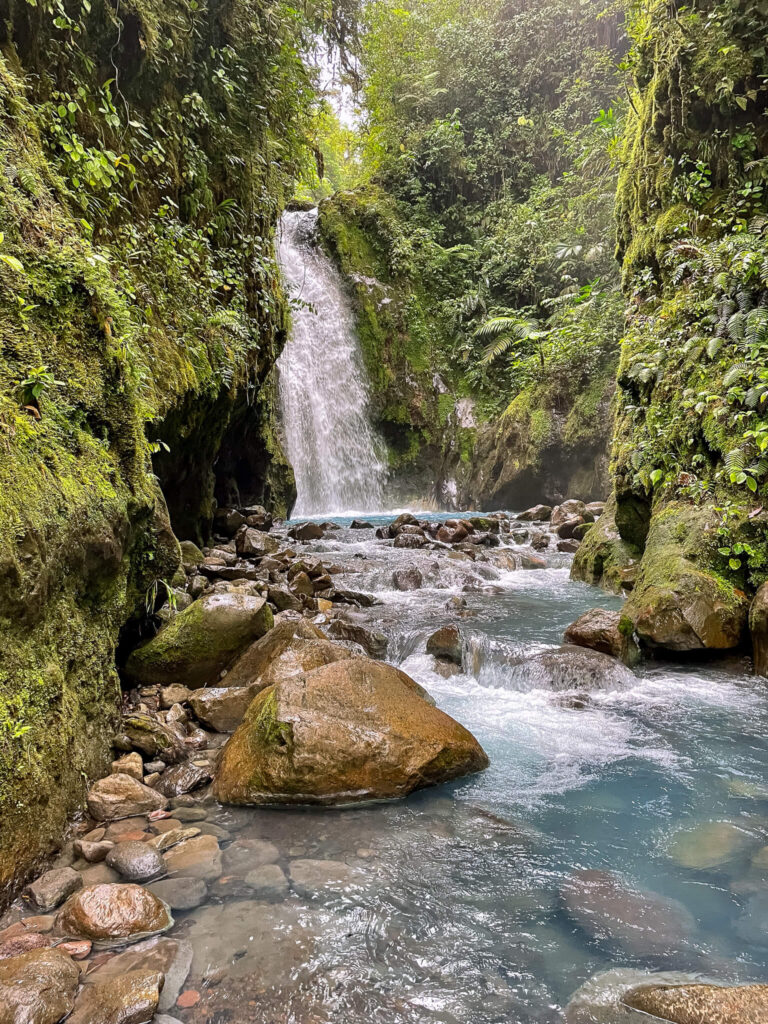
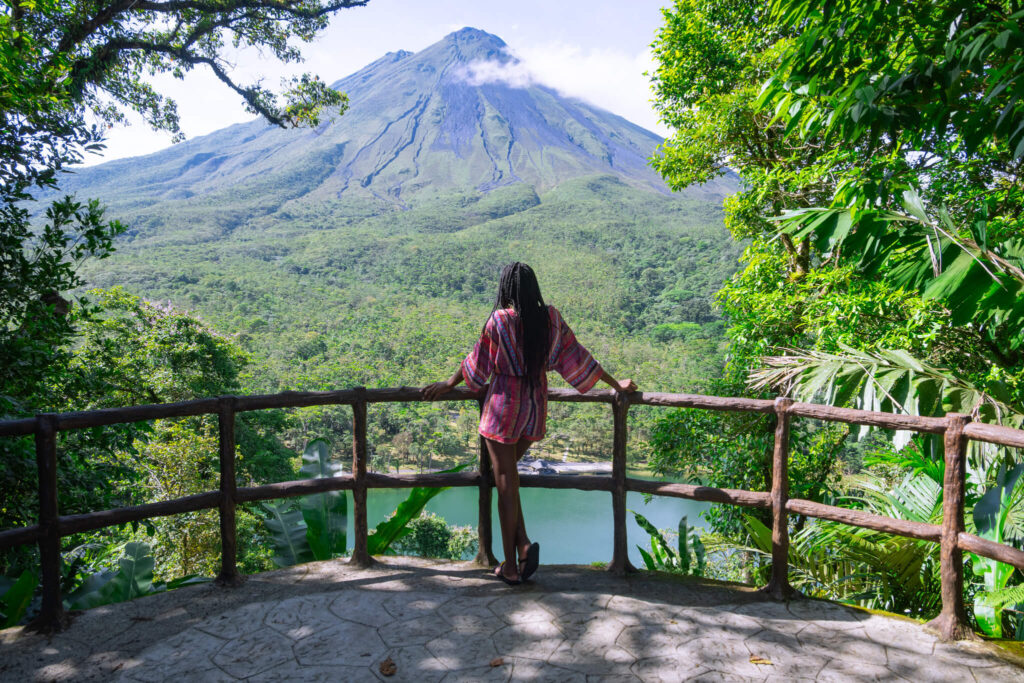
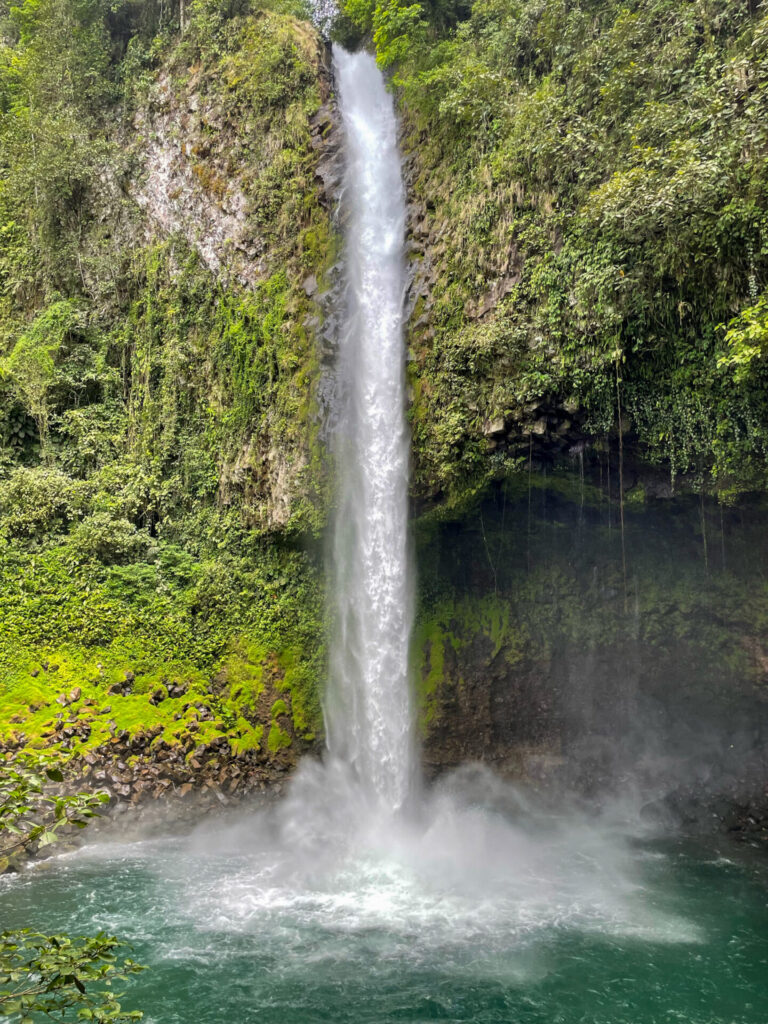
Costa Rica is perfect for nature lovers who enjoy moving through diverse landscapes. Imagine waking up in a cloud forest, waterfalls and natural springs. I drove from La Fortuna to Monteverde to Rio Celeste in a week, and each morning felt like a new adventure. If that kind of rhythm excites you, Costa Rica is your destination. It rewards travelers who are passionate about nature and don’t mind a bit of road trips to discover places.
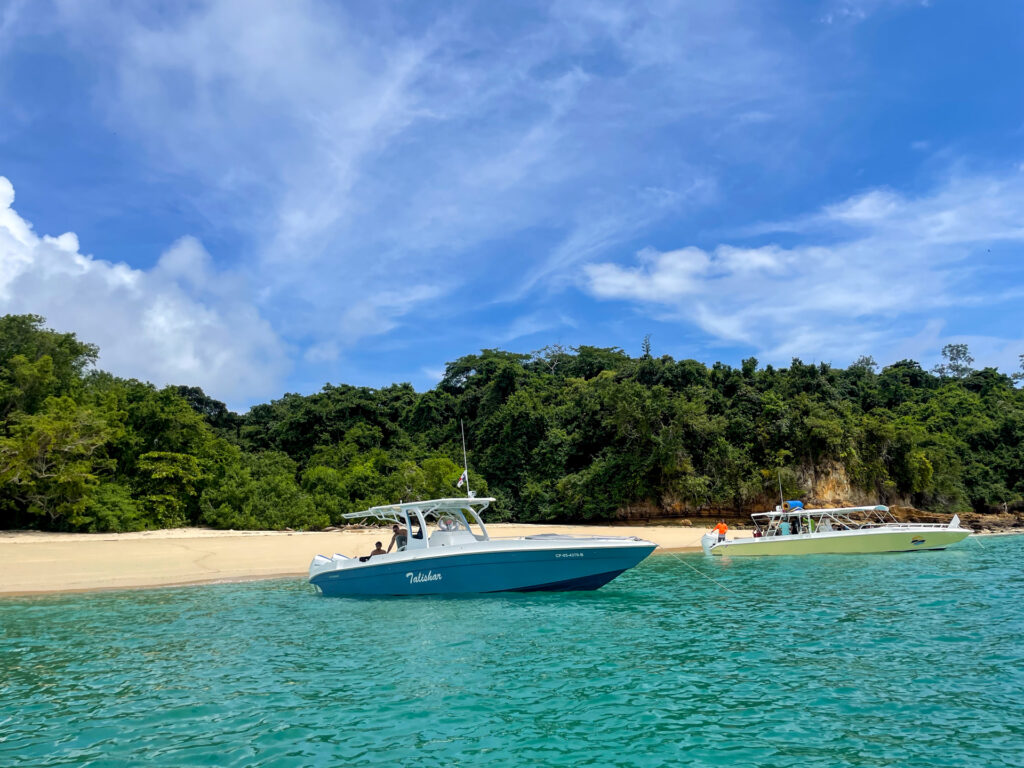
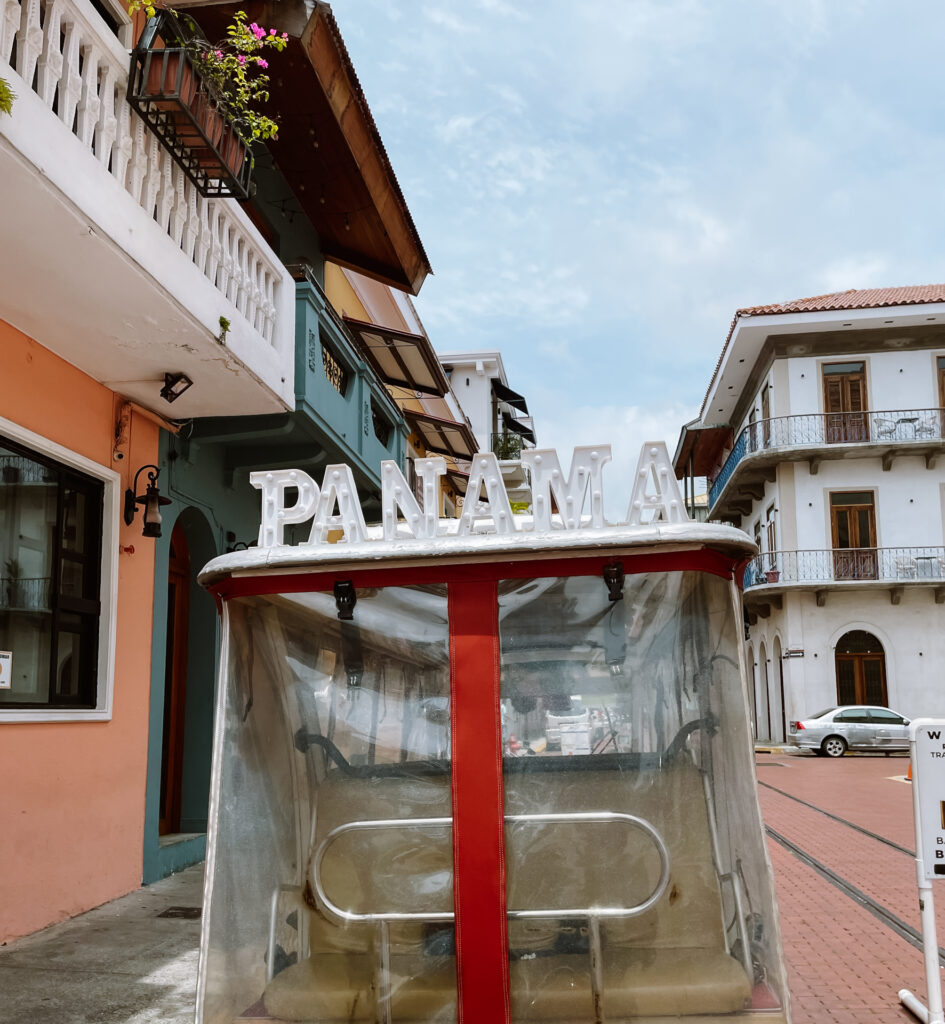
On the other hand, if you’re considering a city-meets-nature trip, Panama takes the crown. Panama City serves as a fantastic base, offering endless activities and a beautiful mix of colonial history, modern architecture, lush tropical landscapes, and easy access to islands.
Here’s something worth noting: Panama has just as much nature as Costa Rica, but it’s more spread out, less marketed, and in many cases, genuinely unexplored. Most travel content focuses on Panama City and the Canal, so Panama’s natural side rarely gets the attention it deserves. That means fewer crowds, lower prices, and the chance to be one of the first to experience this underrated country. If that sounds more exciting than intimidating to you, Panama’s natural side is absolutely worth building your trip around.
Panama vs Costa Rica Safety
This is often the first question I get when it comes to travel in Latin America. Both countries are generally considered safe for tourists, and I say that as a solo female traveler who’s actually been in both.
Costa Rica felt safe & manageable, even when I was driving solo through mountain roads between La Fortuna and Monteverde, etc. The tourist areas are well-traveled enough that you rarely feel alone. The usual safety tips apply: staying alert in less populated areas, planning your routes, not leaving anything obvious in a rental car, being careful at night in bigger towns, and trusting your instincts.
In Panama City, I felt pretty good getting around on my own as well. Panama City has a wider range of neighborhoods, and there is a contrast between the old town and the new city. Casco Viejo, the historic Old Town, is charming and walkable but requires awareness, especially towards its edges. The New City areas felt like any modern cosmopolitan city.
In summary, both countries are pretty manageable if you use your common sense. Costa Rica’s tourist areas tend to feel more consistently comfortable because they’ve been designed with that in mind. There’s more signage, better infrastructure, and more people around. Panama does require a bit more awareness of your surroundings in the city. But either way, it shouldn’t deter you from visiting.
If you’re thinking about traveling to Costa Rica, my guide ” Is Costa Rica Safe for Solo Female Travelers? provides more information. For Panama, I have a First Timer’s Guide covering safety by zone.
I highly recommend getting Travel Insurance for both destinations. Safety Wing covers adventure activities, medical emergencies, and even rental car incidents. For Costa Rica in particular, where you’ll be driving on mountain roads and potentially rappelling down waterfalls, it’s a must-have. If you’re looking for even more comprehensive adventure activity coverage, World Nomads is another great option.
Is Panama or Costa Rica Cheaper?
If you are wondering if Panama is more expensive than Costa Rica, well, let me break it down for you in a way that’s easy to understand, based on my experiences.
Costa Rica:
Costa Rica is a bit more expensive, and it can catch travelers off guard because it’s in Central America. Accommodation can add up quickly, especially in popular areas like La Fortuna and Monteverde. Tours and activities are also priced at what the international market will bear, which is often more than you’d expect. And renting a car, which is a must for the itinerary I recommend, definitely adds to your budget.
You can save some money by looking for options at different price points, like mid-range guesthouses, self-catering, and reasonable park entrance fees. But you’ll have to be a bit more intentional in seeking these. But hey, it’s still worth every penny! Just be aware that it’s not a budget destination like other Central American countries, like Guatemala, etc., therefore, plan your spending accordingly.
Panama
Panama is generally more affordable for everyday travel. Uber rides are reasonable within Panama City, and you can find food from budget street food to fancy restaurants. There’s something for everyone, no matter how much you’re willing to spend. And tours, especially those that aren’t too over-the-top, are pretty reasonable compared to what you’d pay in Costa Rica.
Now, for US travelers, the dollar makes everything easy. No need to worry about exchange rates or conversion fees. Just arrive and enjoy your trip without any surprises.
So, is Panama more expensive than Costa Rica? Well, not really. The costs might even seem closer than you’d expect, depending on your travel style and experience. Neither one is cheap, but Costa Rica tends to get higher price tags in popular areas. If you ask me, either country is worth visiting if you plan.
Ease of Travel (Especially for First-Time Visitors)
Ease of travel is a really practical thing to think about when planning your trip. From my experience, I found that Costa Rica has one of the best tourist infrastructures in Central America, which is a huge help if you’re new to solo travel or traveling internationally.
Everything from road signs to rental car drop-offs to national park tickets is designed for visitors who might be navigating a foreign country for the first time. They’ve got decades of tourism infrastructure built around showcasing their natural beauty. Marked trails, established tour operators, park ticketing systems, and well-worn routes between destinations. It’s all been packaged and sold brilliantly, and there’s definitely value in that. The downside is that this ease comes with a certain amount of tourism overhead, more crowded popular spots, and higher prices in well-known areas.
On the other hand, Panama might need a bit more of your independence. The nature is undermarketed, which means it’s less crowded and often cheaper to experience. You won’t be sharing the trail with a tour group that booked six months out. Exploring neighborhoods, finding unique places to eat, and figuring out where to spend your time all require a bit more effort. But that’s also what makes it so rewarding. Panama feels less organized, while destinations like Costa Rica are more touristy and built for travel.
Which Is Better for a 7-Day Trip? Panama vs Costa Rica
Now, let’s talk about the practical stuff. This is probably the most helpful framing for most readers. If you’re working with 7–10 days of paid time off, like most of us, this question is super important.
Costa Rica in 7 days is definitely achievable, but it does require some thoughtful planning. The country is small, but the roads can be a bit slow; getting from one place to another takes longer than Google Maps might lead you to believe, and you’ll want to spend enough nights somewhere to really feel like you’ve arrived.
I drove the loop from San Jose to La Fortuna to Monteverde in a week, and it was just right: not too rushed, not too leisurely. But you do need a clear plan going in.
Panama in 7 days is a bit easier to organize. Panama City naturally anchors 3-4 nights, and from there, you can easily access the Canal, Casco Viejo, a nearby overnight stay, and a day hike without too much hassle. It’s more of a hub-and-spoke trip, which means less daily packing and unpacking and more time actually to enjoy the sights and sounds.
If you have 10 days, both destinations are great choices. If you are short on time, with only 7 days, and want to keep things simple, Panama might be the better first option. Or, you could just pick a few locations to visit in Costa Rica. Both places are fantastic, and there’s no wrong choice between the two.
The best choice really comes down to what kind of traveler you are and how much time you have. My 7-day Panama Itinerary and 7-day Panama Guide can help you plan your trip.
Can You Visit Both Countries in One Trip
Absolutely! It’s an amazing 10-14-day Central America trip if you have the time. Here’s a typical itinerary: Fly into Panama City and spend 4-5 days exploring the Canal, Casco Viejo, and nearby islands. Then, fly to San José or Liberia in Costa Rica for 5-7 days. You can visit La Fortuna, Monteverde, and Rio Celeste during this time.
Flights between the two countries are short and reasonably priced, often cheaper than you might think. I personally did both trips in one trip, and it’s also a combination that’s often recommended in the solo travel community, and the logistics actually work out pretty well.
Final Thoughts: Which should you visit first
Here’s what I want to leave you with for your next adventure; the worst trip you’ll ever regret is the one you spent too much time planning and never took. Costa Rica and Panama are super easy to reach, doable, and amazing for solo travelers, first-timers, and anyone with limited vacation time. You don’t need to be an experienced adventurer, fluent Spanish speaker, or anything fancy. Just show up curious, prepared, and willing to trust yourself.
The best way to decide is to pick the one that fits your travel style right now, plan it well, and go. Wherever you end up, I hope it’s everything you dreamed of, and maybe even a few things you didn’t.
Your planning checklist:
Next Steps
Whichever destination you choose. You’ve got this!